
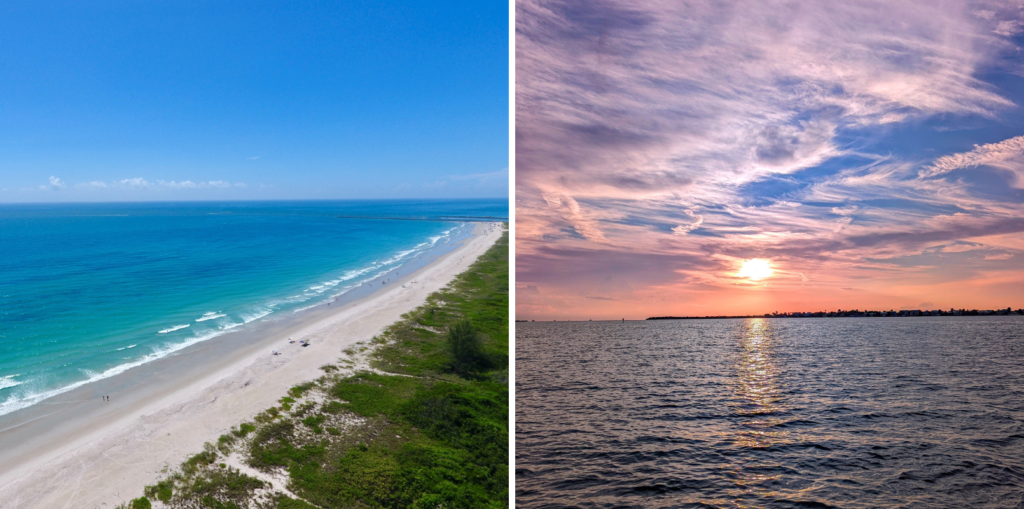
I almost drove past it. The road looked like it led nowhere special. Just a bridge, a strip of horizon, and a sun-bleached sign that felt like a suggestion more than a destination.
Then I crossed over, and something shifted. The air changed. The pace changed. The whole world seemed to slow down to the speed of a ceiling fan in July.
Florida has a quiet secret that most people miss when they’re busy booking beach resorts on the mainland. There are real, proper islands here that you can roll right onto without a single boat ticket. Just gas in the tank and time on your hands.
I’ve driven to every one of these, and I can tell you with confidence: some of them will absolutely ruin you for ordinary vacations.
- Amelia Island
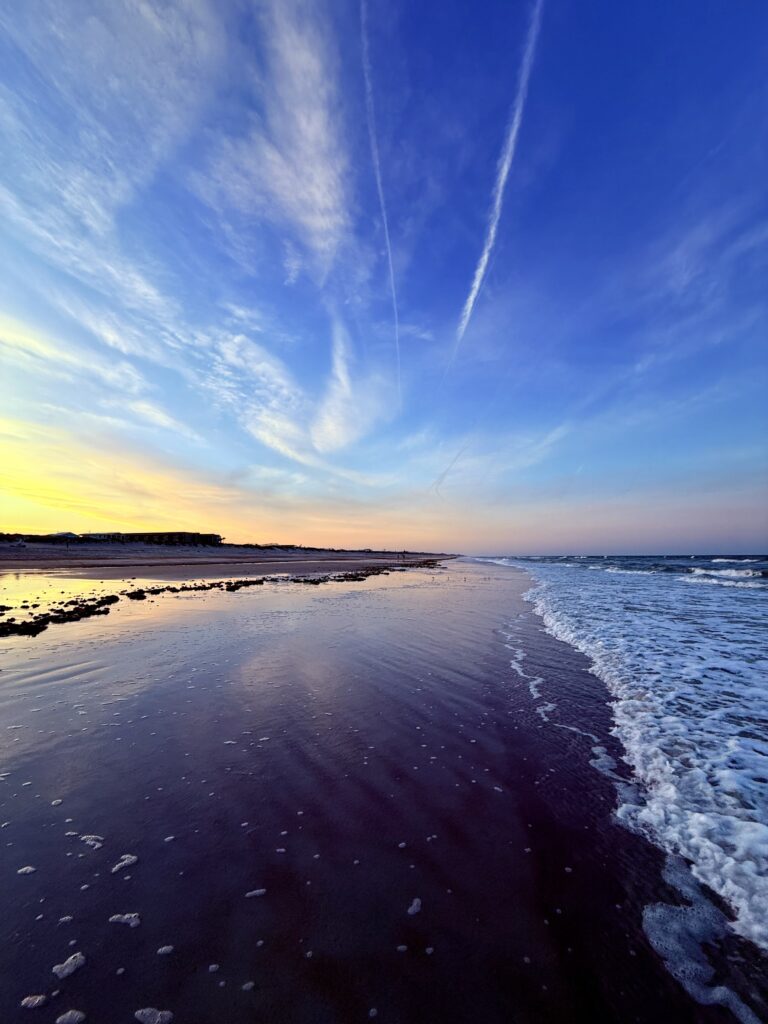
Victorian architecture and Atlantic beaches don’t usually share a zip code, yet here we are. Amelia Island sits at the very top of Florida, just off the city of Fernandina Beach, and it carries more history per square mile than almost anywhere in the state.
This is an island that has flown eight different flags. Not exactly your typical beach town backstory.
The island’s beaches stretch for thirteen miles and stay surprisingly uncrowded, even in peak season. The downtown area on the island’s west side has independent restaurants, galleries, and a genuine small-town atmosphere that feels earned rather than manufactured.
Getting there means crossing the Nassau River into a place where horse farms sit a mile from oceanfront mansions. The drive itself is part of the charm. There’s a reason destination weddings happen here every single weekend. Amelia Island has that effortless elegance that other places spend millions trying to fake.
2. Sanibel Island
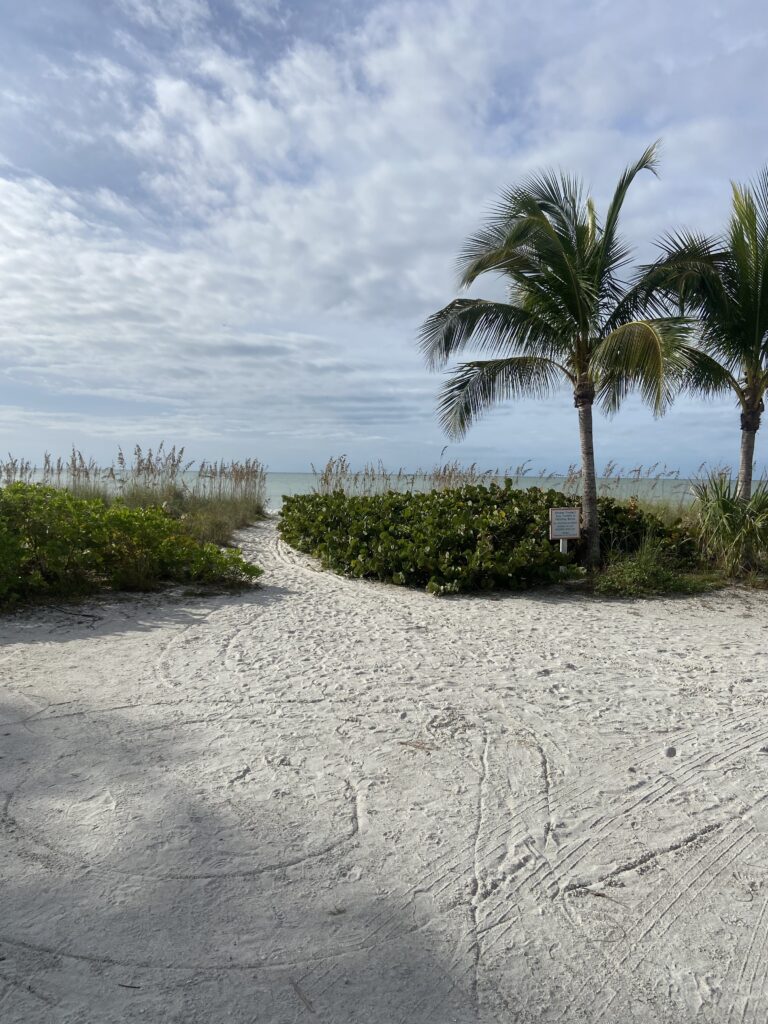
Nowhere else in the country will you see adults crouched on a beach at seven in the morning, completely absorbed and deeply competitive, looking for shells.
Sanibel’s unusual east-west orientation means the Gulf floor funnels an extraordinary variety of mollusks straight onto its shores. The phenomenon even has its own name: the Sanibel Stoop. Once you do it once, you will do it every morning without shame.
The island connects to the mainland via the three-mile Sanibel Causeway, a drive that delivers you directly into one of the most thoughtfully planned beach communities in the state. There are no traffic lights on the island.
Buildings can’t exceed the height of the tree line. That’s not a suggestion. It’s law. The result is a place that still looks like it did in 1975, in the best possible way.
The J.N. “Ding” Darling National Wildlife Refuge covers roughly a third of the island and protects habitat for roseate spoonbills, osprey, and other coastal wildlife, with manatees sometimes seen nearby.
Wildlife Drive gives you a slow, open-air tour through mangrove corridors that feel more like the Amazon than Southwest Florida. Sanibel rewards the unhurried visitor every single time.
3. Captiva Island
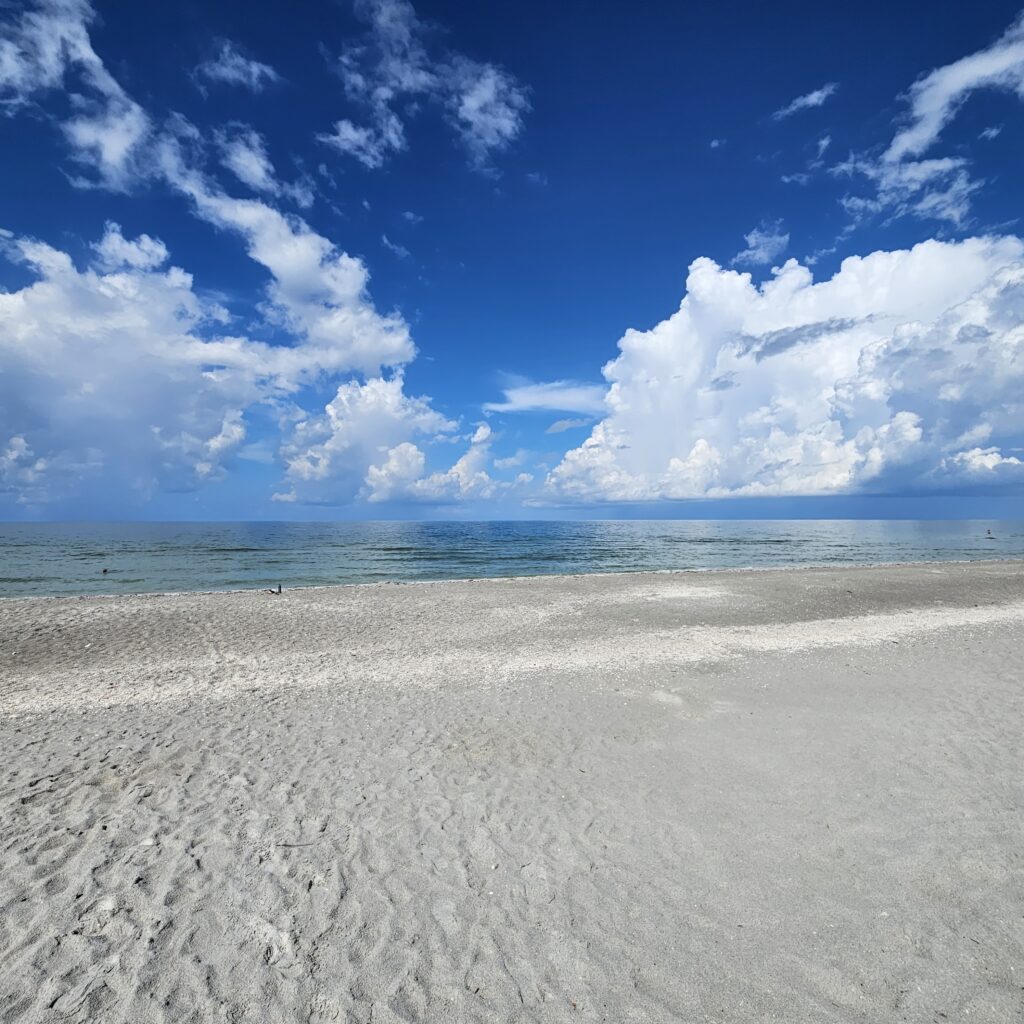
Drive through Sanibel, cross the small bridge at the north end, and suddenly the whole energy drops another notch. You didn’t think that was possible. Captiva is where people go when they’ve already discovered Sanibel and decided they needed something even more untouched.
It is smaller, more bohemian, and operates on a schedule that appears to have been drawn up by someone who deeply distrusts alarm clocks.
The sunsets here have a devoted following for a reason. The Gulf faces due west, the palm canopy frames the horizon perfectly, and the beach bars along Andy Rosse Lane fill up well before golden hour.
There are no chain hotels, no big-box stores, and nowhere that feels remotely corporate. That’s not a complaint. It’s the entire point.
Captiva is also the jumping-off point for boat trips to North Captiva and Cayo Costa, two islands that have no road access at all.
If you’re driving to the end of the line and wondering what’s just beyond your reach, Captiva will give you an honest answer: more paradise, just slightly less convenient. It makes this island feel like a satisfying middle chapter.
4. Anna Maria Island
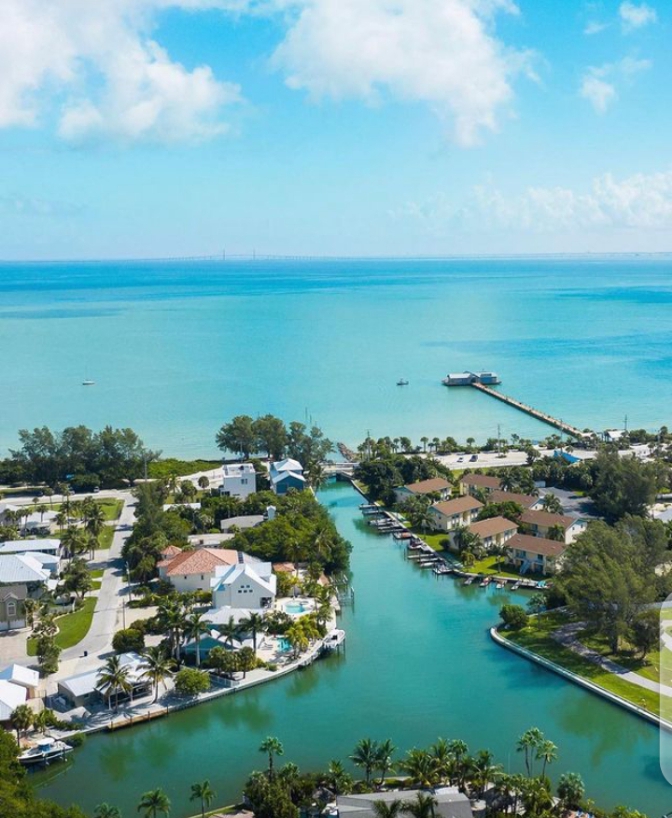
Chain restaurants are hard to find on this island, and the locals will mention that fact within approximately forty-five seconds of meeting you. Anna Maria Island, just north of Bradenton, has managed to stay aggressively, defiantly itself in an era when every coastal town is trying to become Destin.
The pastel cottages look like they were built for a movie set about the perfect island escape. They’re real, they’re occupied, and some of them have been in the same family for four decades.
The Gulf beaches here are some of the finest on the west coast. The water is calm, shallow, and warm for most of the year. The sand has that soft, squeaky quality that children lose their minds over and adults quietly appreciate.
Bean Point at the island’s northern tip offers a panoramic view where the Gulf and Tampa Bay meet. It’s the kind of spot that makes you forget to take a photo because you’re too busy just standing there.
Three small beach towns share the island’s seven miles: Anna Maria, Holmes Beach, and Bradenton Beach. Each has its own personality. The trolley that runs the length of the island is free, which tells you everything about the local philosophy.
This is a place that chooses ease over ambition every single time, and it is absolutely right to do so.
5. Marco Island
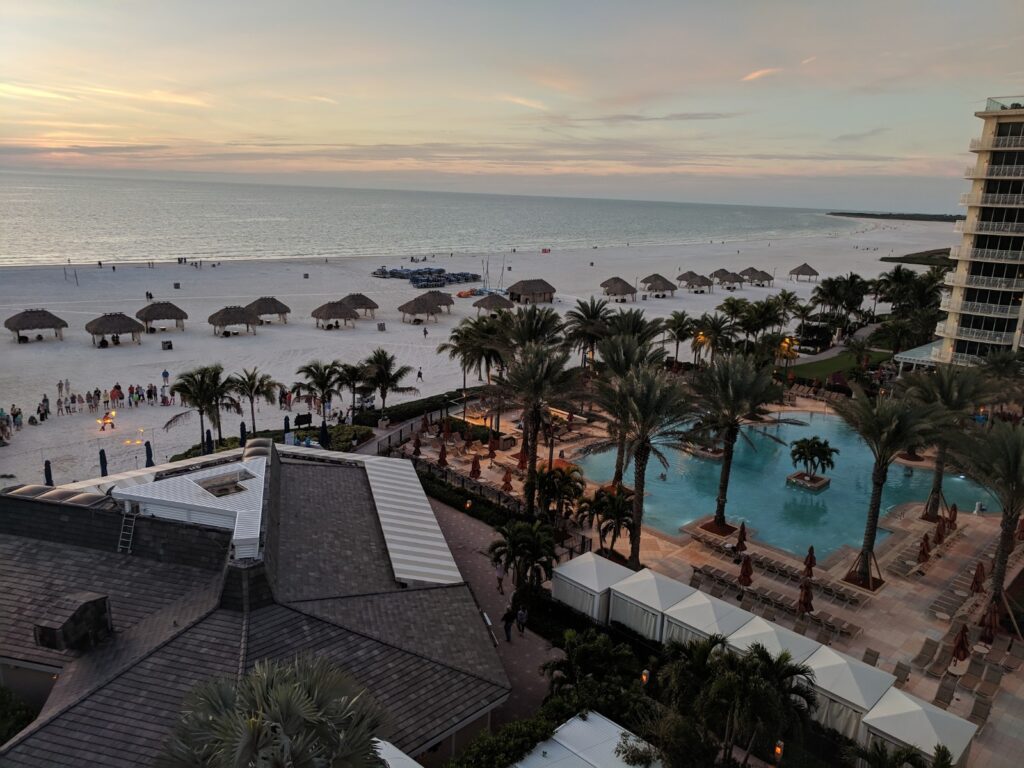
The largest of the Ten Thousand Islands has figured out something that most resort destinations haven’t: you can have high-thread-count sheets and a mangrove wilderness in the same postcode.
Marco Island sits at the southern edge of Southwest Florida, accessible from Naples, and it splits its identity between polished Gulf-front luxury and the raw, labyrinthine wilderness of the Everglades coast just minutes away.
Tigertail Beach on the north end of the island is a local favorite for good reason. A tidal lagoon separates a sandbar from the main shore, creating a shallow, protected stretch that’s ideal for wading, bird watching, and spotting the horseshoe crabs that patrol the flats at low tide.
The beach has none of the formality you might expect from an island with this many high-rise condominiums nearby.
For public beach access, South Marco Beach is located on South Collier Boulevard, while Tigertail Beach is another popular option. Just head toward the Gulf and follow the instinct.
Kayak tours into the mangrove tunnels of the surrounding Ten Thousand Islands depart regularly from the marina, and they deliver you into a landscape so dense and still it genuinely feels prehistoric. Marco knows it can offer two entirely different trips. It doesn’t choose between them. Neither should you.
6. Siesta Key
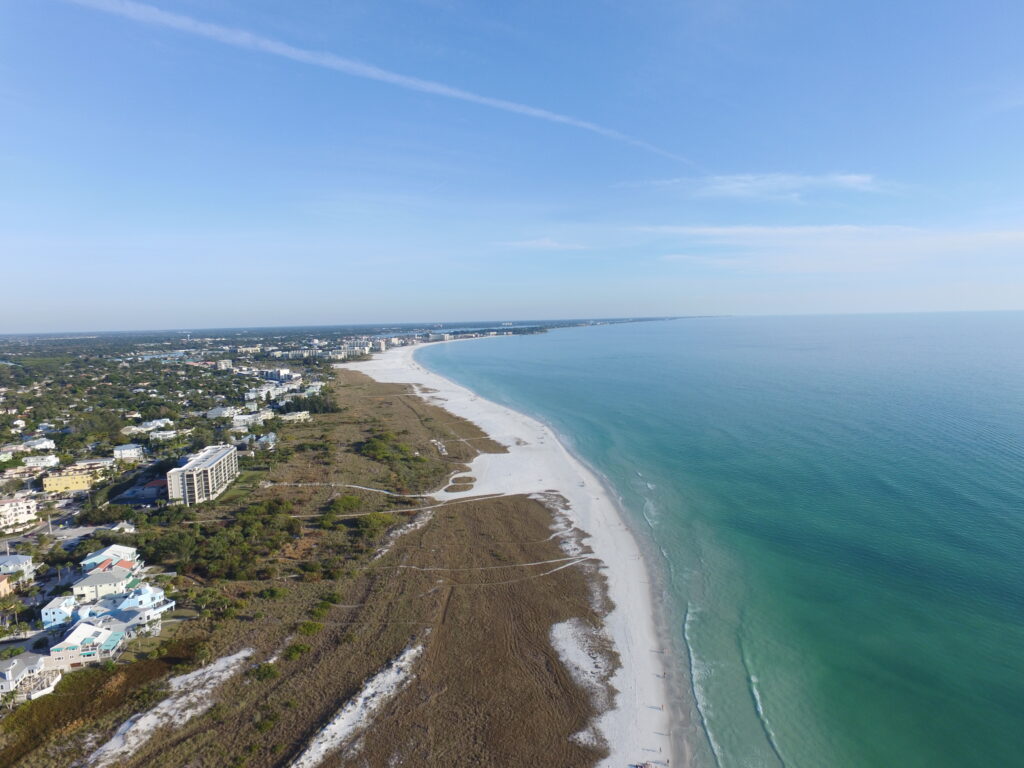
Pick up a handful of Siesta Key sand and rub it between your fingers. It stays cool even in August, feels like powdered sugar, and leaves no grit behind. That’s because it’s ninety-nine percent pure quartz crystal, ground fine over millennia and washed in from the Appalachian Mountains by ancient rivers.
This isn’t marketing copy. It’s geology, and it’s why Siesta Key Beach keeps winning “Best Beach in the USA” rankings with the quiet confidence of someone who knows they’re right.
The beach itself is wide enough to absorb enormous crowds without ever feeling crowded. The water runs a striking shade of green-blue, stays shallow for a long way out, and is almost always calm.
Near Sarasota on the Gulf Coast, the island bridges easily from the mainland and opens into a beach scene that mixes spring-break energy on the south end with calm family stretches in the middle.
Siesta Village has a compact collection of independent shops and places to eat that justify the walk from the sand.
Sunset drumming circles have taken place on the beach every Sunday evening for decades. Locals bring instruments, strangers are handed shakers, and it becomes participatory within minutes.
It is either the best thing about the island or a perfect metaphor for it. Probably both. Come for the sand. Stay for the feeling that nobody here is in a hurry to go anywhere else.
7. St. George Island
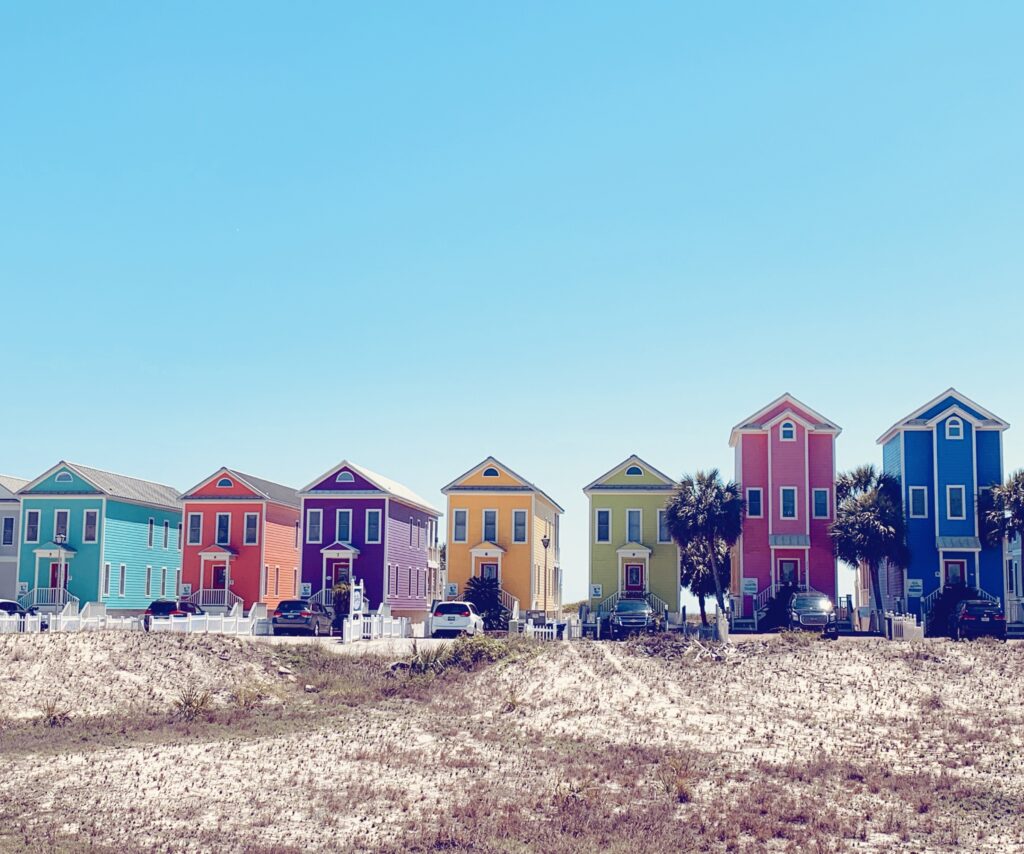
Most people drive through the Panhandle with their eyes fixed on Destin, which means they blow right past one of the most genuinely beautiful stretches of barrier island coast in the entire Gulf of Mexico. St.
George Island hangs off the coast of Apalachicola Bay, reached by a causeway from Eastpoint, and it operates as though the tourism boom of the last thirty years never quite arrived. By choice, by luck, and by the stubborn insistence of the people who love it.
The beaches here are dune-backed, wide, and extraordinarily clean. The water in Apalachicola Bay is some of the most biologically productive in the Southeast, which is why the oysters from this region have always had a serious reputation.
Dr. Julian G. Bruce St. George Island State Park occupies the entire eastern end of the island: nine miles of protected beach, pine flatwoods, and salt marshes that have never seen a souvenir shop or a resort development.
The small village near the west end of the island has a low-key artsy character. Gallery storefronts, a lighthouse museum, and a few good restaurants give it a feel that feels like it belongs to a different era of coast travel.
That era was quieter, slower, and significantly less Instagrammed. If you can drive to St. George on a Tuesday in September, do exactly that. The island will be almost entirely yours.
8. Pine Island
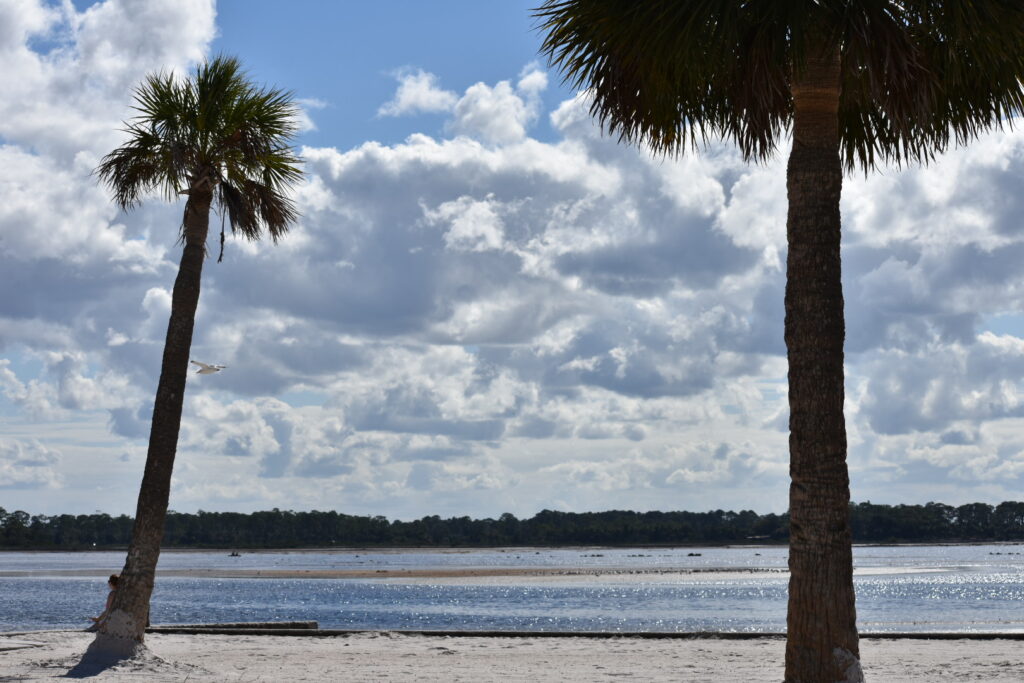
Here is a reliable travel truth: the largest island on Florida’s Gulf Coast has no public beach. Say that slowly and let it land.
Pine Island, connected to Cape Coral by Pine Island Road, is surrounded by water and dense mangrove shoreline, which means the crowds that descend on Sanibel and Fort Myers Beach year after year mostly drive right past it. That is their loss and your quiet gain.
What Pine Island has instead of beaches is character. Real, layered, unhurried character. The island holds four distinct communities: Bokeelia, Pine Island Center, Matlacha, and St. James City, each with its own personality.
Matlacha is the visual standout: a fishing village of brightly painted bungalows, bait shops, and art galleries strung along a narrow waterway that looks like it was designed by someone who loved both Key West and the Caribbean equally.
Fishing is the island’s primary language. The surrounding waters are rich with snook, redfish, and tarpon, and the guides who work these flats have spent careers learning every mangrove edge and tidal channel. There’s also a growing tropical fruit farming culture on the island.
Mango, carambola, and lychee orchards that produce fruit sold at small roadside stands throughout summer. Pine Island doesn’t try to be a vacation destination. It just is one, quietly and on its own terms.
9. Hutchinson Island
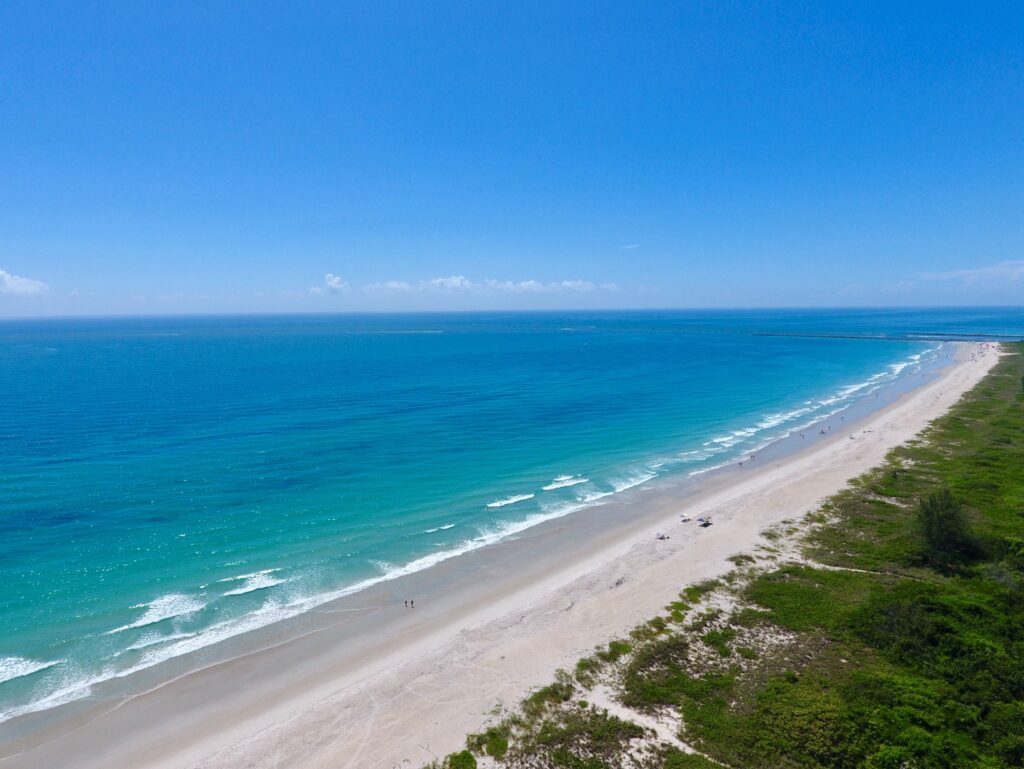
On a summer night on Hutchinson Island, if you’re patient and quiet and you’ve shown up at the right moment, you might watch a loggerhead sea turtle haul herself out of the Atlantic, dig a nest in the sand, and return to the ocean without ever knowing you were there.
This slender barrier island stretching across Martin and St. Lucie counties on Florida’s Treasure Coast is known for important sea turtle nesting areas, especially for loggerheads. It’s a fact that feels remarkable given how few people outside the region seem to know it exists.
The beaches run for miles and stay mercifully uncrowded for most of the year. The Atlantic here is clearer and less silty than many parts of the east coast, and the lack of major resort development along much of the shoreline gives the island a preserved quality that’s increasingly rare.
Elliott Museum in Stuart is worth a visit for its American history collections. It sits near the north end of the island and draws a thoughtful crowd.
The island spans two counties, and the character shifts as you drive its length. The Martin County section leans residential and conservation-minded. St. Lucie County has more commercial development but equally good beach access.
Gilbert’s Bar House of Refuge, built in the 1870s on a rocky promontory, is one of the oldest buildings in this part of the state, and one of the most dramatically sited. It’s the kind of place that makes the whole drive worthwhile on its own.
10. Merritt Island
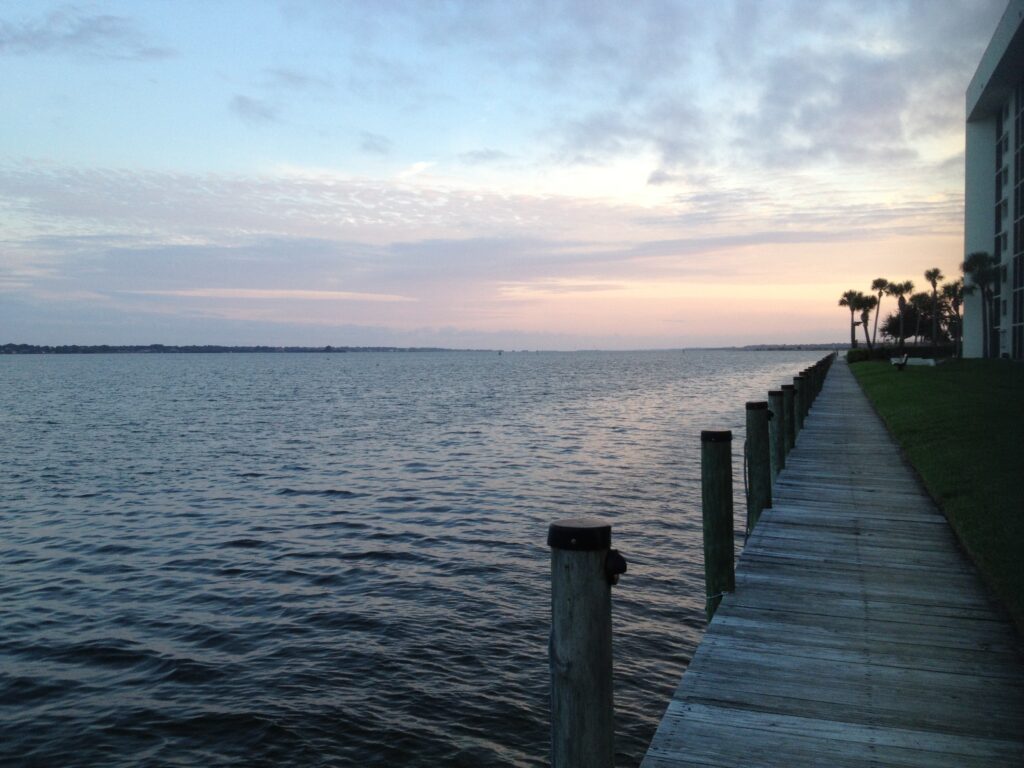
There are very few places on earth where you can watch a rocket launch from a wildlife refuge, but Merritt Island is not interested in being ordinary.
The island sits on Florida’s Space Coast, cradled between the Banana River and the Indian River Lagoon, and it somehow manages to be home to both the Kennedy Space Center and one of the most biodiverse national wildlife refuges in the country. Simultaneously, without any apparent irony.
Merritt Island National Wildlife Refuge covers more than 140,000 acres of brackish marshes, pine flatwoods, and coastal scrub habitat. Over 1,500 species of plants and animals have been recorded here, including fifteen federally listed threatened or endangered species.
Manatees gather in the warm waters of the lagoon year-round. Bald eagles nest in the pines. If you show up on the right morning at Black Point Wildlife Drive, the bird life will make you feel like you’ve stumbled into a nature documentary.
The Kennedy Space Center Visitor Complex, also on the island, operates independently and has become a genuinely world-class attraction with launch viewing experiences, shuttle exhibits, and interactive displays that hold up even for people who’ve been before.
On launch days, the nearby causeway fills with people who simply pull over, lean against their cars, and watch the sky. It is completely free, completely spontaneous, and completely unforgettable. Merritt Island offers two extraordinary things at once and asks only that you show up.
11. Longboat Key
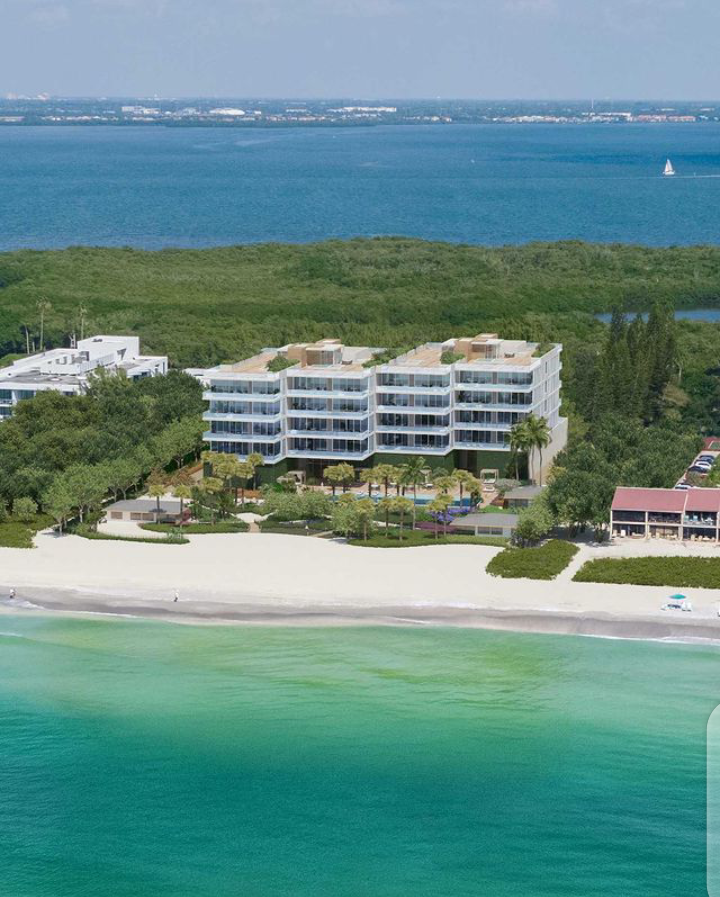
Elegance without effort is an extraordinarily difficult thing to pull off, and Longboat Key has been doing it for decades without breaking a sweat.
This upscale barrier island stretches eleven miles between Sarasota and Anna Maria Island, lined with white-sand Gulf beaches that stay remarkably calm and uncrowded even when the rest of the region is at full capacity. The island’s residential character keeps the tourist volume in check.
Most of Longboat Key is simply people’s homes, and they prefer it that way.
The Gulf-facing beaches here are wide and well-maintained, with access points spread across the island. The water runs the characteristic clear green-blue of this stretch of coast, and the lack of commercial density along much of the shoreline means the views stay uninterrupted.
Longboat Key Club anchors the south end with world-class golf courses and tennis facilities that attract serious players from across the country.
Avenue of the Flowers, a quiet residential boulevard down the center of the island, is lined with mature tropical plantings that give it a lush, private feel.
The north end connects directly to Anna Maria Island, which means a road trip can move seamlessly from Longboat’s polished stillness into Anna Maria’s cheerful, barefoot energy. That contrast makes the combination one of the best two-island drives on the Gulf Coast.
Two entirely different moods on the same stretch of road.
12. Big Pine Key
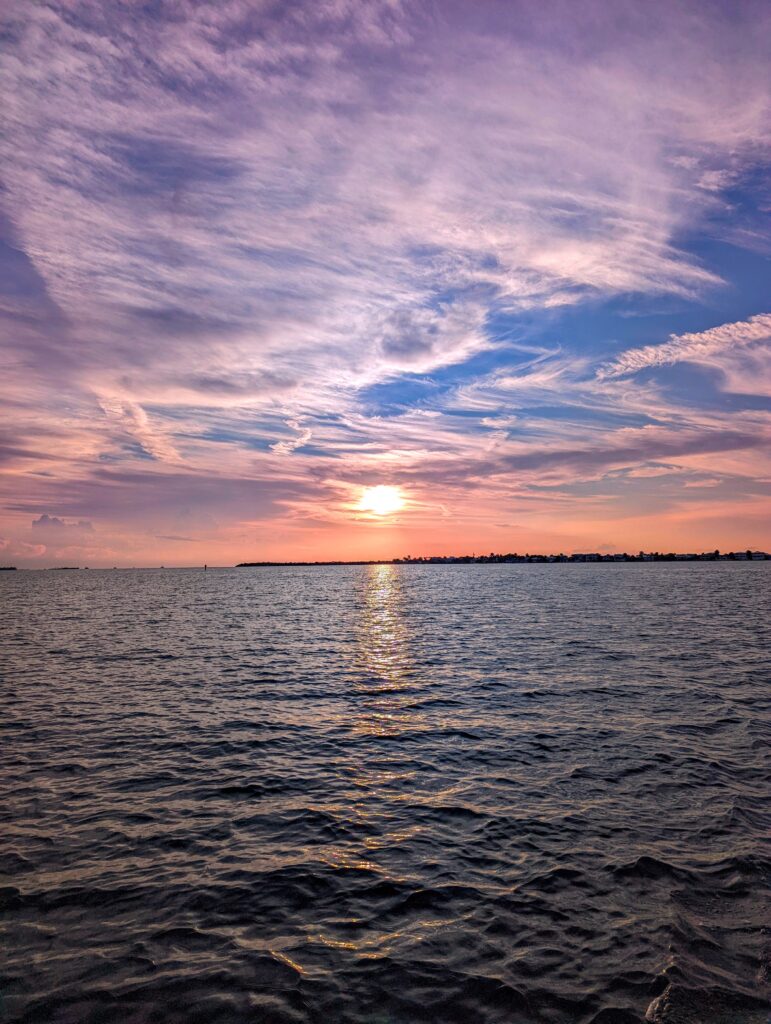
By the time the Overseas Highway deposits you on Big Pine Key at mile marker 33, you’ve already driven across twenty or thirty other Keys and passed through Marathon and the Seven Mile Bridge. By that point, you’ve seen extraordinary things. And yet Big Pine still surprises.
It’s quieter than Key West by about forty decibels, and it has something no other Key can offer: the Key deer, a subspecies of white-tailed deer that stands roughly waist-high and wanders the island’s pine rockland with the calm confidence of a creature that knows it belongs here.
The National Key Deer Refuge covers most of the island and protects both the deer and the unique Lower Keys habitat they depend on. The pine rocklands here are a globally rare ecosystem. Less than two percent of the original extent remains.
Blue Hole, a freshwater sinkhole in the interior of the island, draws alligators, herons, and turtles to its edges and functions as a surprisingly moving little wildlife scene in the middle of an island chain mostly defined by saltwater.
Looe Key Reef, accessible by boat from Big Pine, is considered one of the finest snorkeling and diving reefs in the entire Florida Keys. The coral formations are dense, colorful, and populated with fish that clearly know they live somewhere worth showing off.
Big Pine Key is not the flashiest stop on the Overseas Highway. It is, quietly and genuinely, one of the best. Save it for the end of the trip. You’ll appreciate the stillness more by then.