
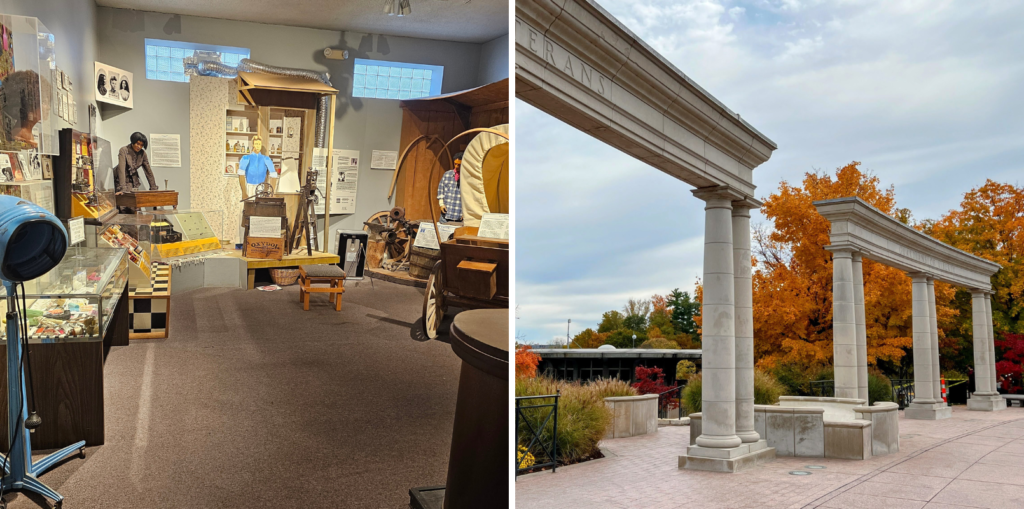
Nobody warned me it would be this good. I was tired, slightly lost, and running on gas station coffee when I pulled into a parking lot I had not planned to stop at. Two hours later, I was still inside, reading every caption, circling back to exhibits I had already seen. That visit cracked something open.
Missouri has a reputation built on rivers, roads, and roadside barbecue. All of that is earned. But underneath it runs something quieter and far more interesting.
World-class art, presidential history, groundbreaking science, and stories that the rest of the country has not paid nearly enough attention to. Every single one worth the drive.
1. Missouri History Museum
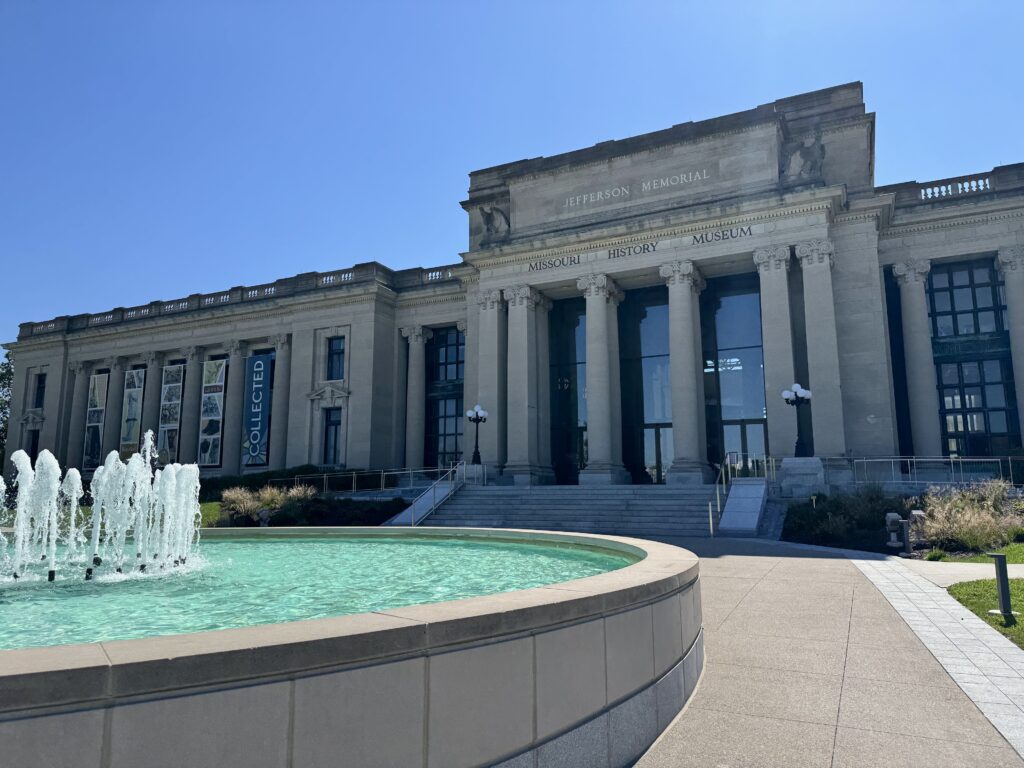
Few institutions make regional history feel genuinely exciting. This one manages it without resorting to dusty dioramas or walls of tiny text. Located at 5700 Lindell Blvd, St. Louis, MO 63112, the Missouri History Museum sits inside Forest Park, one of the country’s great urban green spaces.
The building itself sets expectations high before you even step inside. Its neoclassical facade sits comfortably among Forest Park’s trees and open lawns, which already puts you in a generous mood. Inside, the exhibits are thoughtful, well-designed, and honest about complicated stories.
The museum covers St. Louis history from Indigenous communities through the 1904 World’s Fair and into the modern era. Each gallery feels curated rather than crammed. You move through time without losing your sense of place. Free general admission means there is no reason to rush.
You can wander, backtrack, and linger over anything that earns your attention. Families with children will find the space welcoming and interactive enough to hold young interest. Serious history readers will find enough depth to satisfy.
It is one of those rare institutions that manages to speak clearly to both audiences at once. You will not walk out feeling like you sat through a lecture.
2. Saint Louis Art Museum
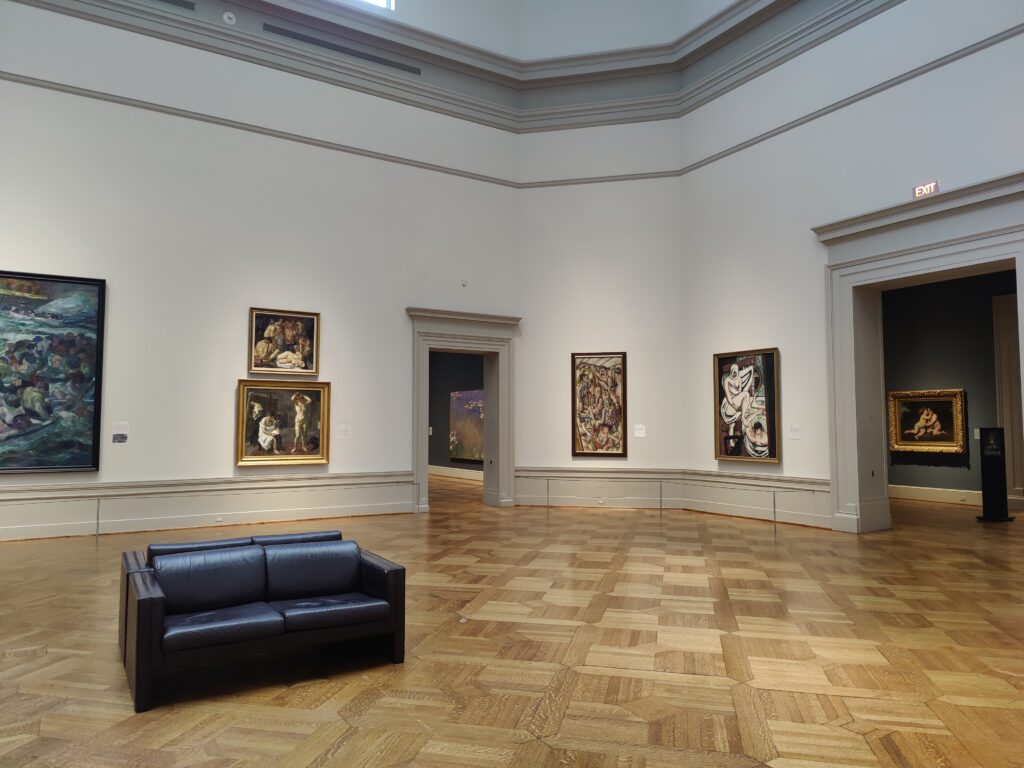
Some of the finest art in the country costs nothing to see here. The Saint Louis Art Museum, known locally as SLAM, offers free general admission most days, which feels almost unreasonably generous given the quality on display. Find it at 1 Fine Arts Dr, St. Louis, MO 63110, also inside Forest Park.
The permanent collection spans ancient Egyptian artifacts to contemporary works, covering thousands of years and dozens of artistic traditions under one roof. Pre-Columbian pieces share the building with German Expressionist paintings, Impressionist canvases, and American modernist sculpture.
That range is rare, and the curatorial choices that connect those works across galleries reward careful attention. The building itself, designed by Cass Gilbert and expanded thoughtfully over the decades, adds architectural pleasure to the experience.
Natural light fills several of the galleries in ways that genuinely flatter the work. Special exhibitions rotate regularly and tend toward the ambitious rather than the safe.
Even if you visit during a quieter period for temporary shows, the permanent collection alone justifies the trip. You could visit four times and still find something new on the walls, which is exactly what a great museum should offer.
3. Saint Louis Science Center
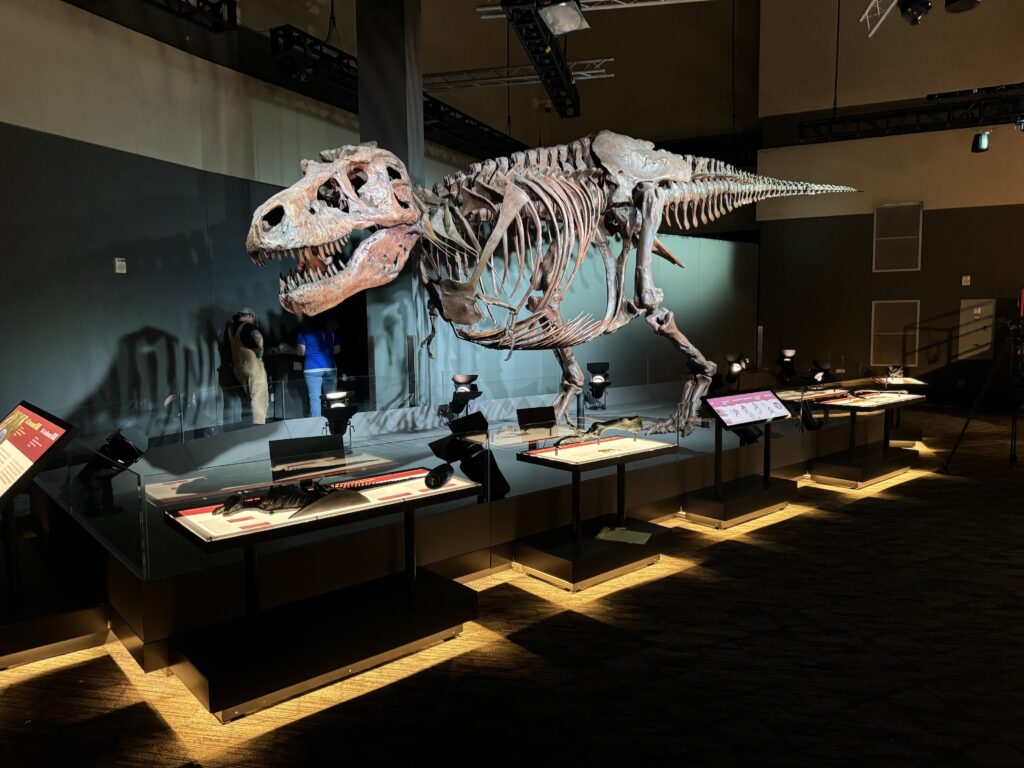
Science museums often promise interactivity and deliver a few buttons that barely work. This one actually delivers on that promise, and then some.
The Saint Louis Science Center at 5050 Oakland Ave, St. Louis, MO 63110 welcomes visitors of all ages without charging a general admission fee, which makes it one of the best free days out in the entire region.
Exhibits cover physics, technology, natural history, and the environment with hands-on installations that hold up under actual use. Nothing feels broken or half-functional, which matters more than it sounds.
The building spans both sides of Interstate 64, connected by an enclosed bridge, so the floor plan itself becomes a minor adventure. A working weather station, a digital planetarium, and rotating special exhibitions round out what is already a substantial permanent collection.
Planetarium shows and some featured exhibits carry separate ticket costs, so budget a little extra if those are on your list. The main floor, however, keeps things genuinely accessible for everyone.
Bring curiosity, a willingness to push buttons, and comfortable shoes. Children love it. Adults tend to get more absorbed than they expected, which is always a good sign.
4. Museum At The Gateway Arch
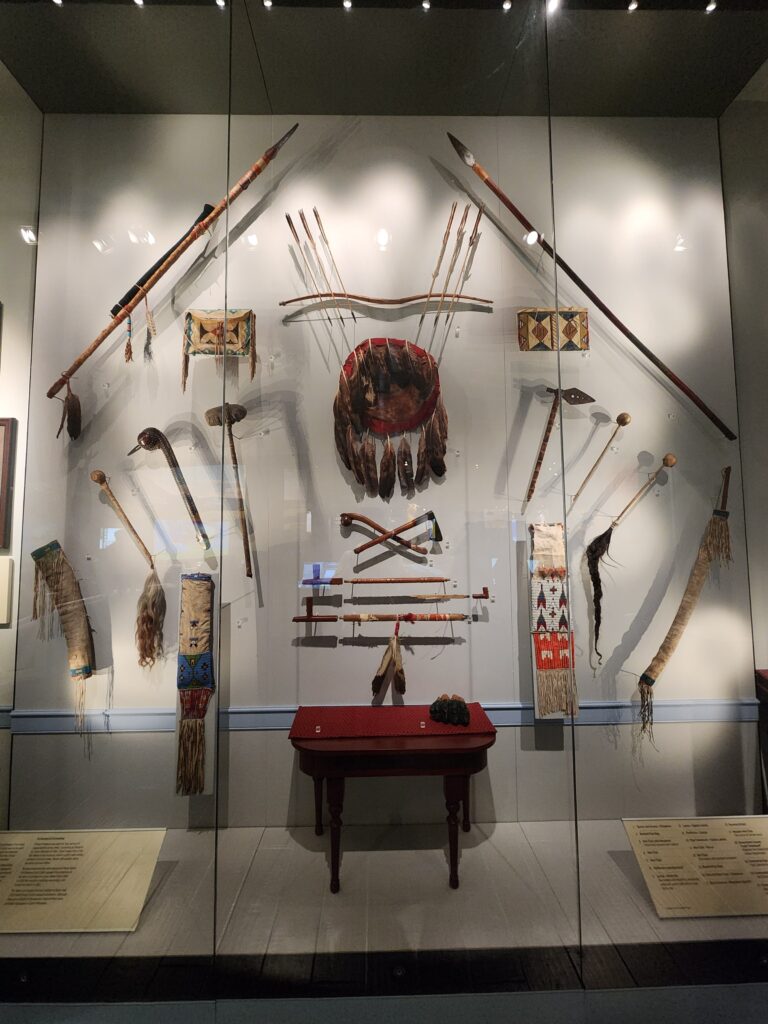
Everyone knows the Arch. Far fewer people take the time to explore what lies beneath it. The Museum at the Gateway Arch, located at 11 N 4th St, St. Louis, MO 63102, tells the full story of westward expansion with real nuance and a level of visual depth that surprises most first-time visitors.
The museum was substantially renovated and reimagined before reopening in 2018, and the result feels modern, purposeful, and honest.
Exhibits address the complexity of westward expansion directly, including its impact on Native American communities, the role of the Mississippi River in trade and migration, and the industrial growth that followed. Interactive displays are integrated thoughtfully rather than tacked on as afterthoughts.
The design of the underground space itself is worth noticing. Curved walls, changing light levels, and careful sequencing move you through the narrative without feeling herded. It does not ignore difficult chapters of history, which gives the whole experience more credibility and staying power.
Tram rides to the top of the Arch are ticketed separately and worth booking in advance. Even without that addition, the museum stands fully on its own merits as a destination.
5. Nelson-Atkins Museum Of Art
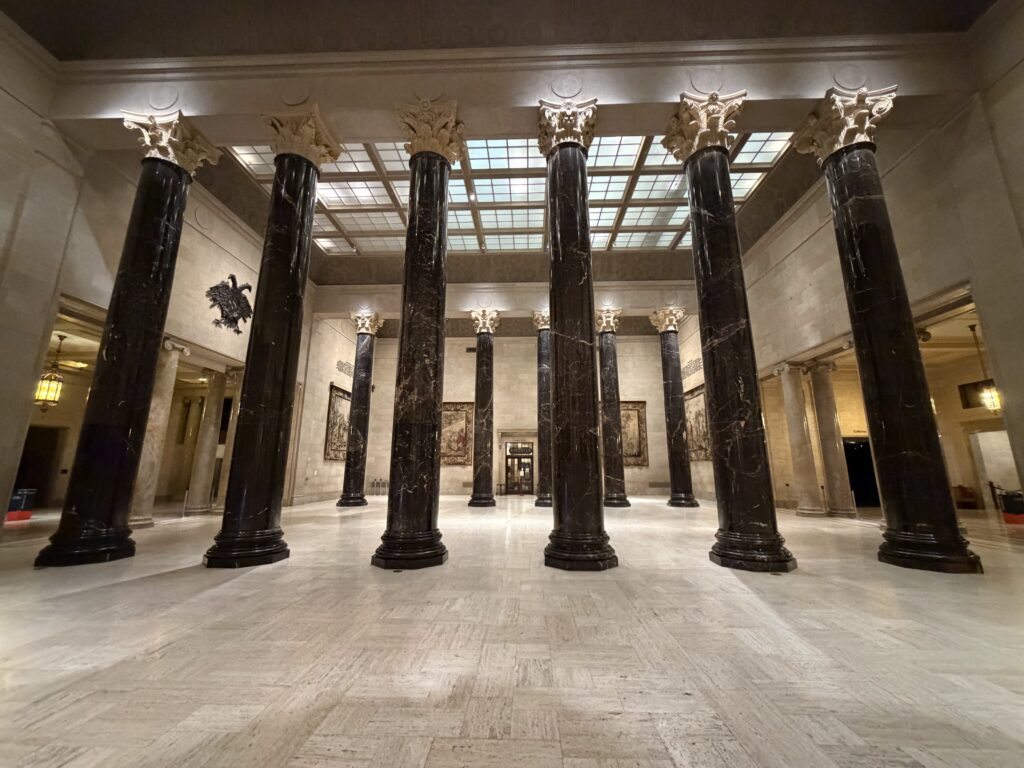
Cross the state and the cultural landscape shifts entirely.
Kansas City has long punched above its weight in the art world, and the Nelson-Atkins Museum of Art is a major reason why. Set at 4525 Oak St, Kansas City, MO 64111, this institution holds a collection that genuinely rivals larger coastal museums in both depth and range.
The original 1933 Beaux-Arts building is an attraction on its own, but the 2007 Bloch Building addition by Steven Holl changed the conversation entirely. Glass lenses emerge from the landscape at night and glow from within, creating one of the most photographed architectural moments in the Midwest.
Inside, the collection spans Asian art, European masters, American painting, photography, and modern sculpture. The Asian art wing is particularly strong and often underappreciated by first-time visitors. Free general admission makes the scale of what is offered here feel almost extravagant.
The outdoor sculpture garden features a series of oversized shuttlecocks by Claes Oldenburg and Coosje van Bruggen that have become cultural landmarks in their own right. Plan at least two hours, preferably more. This museum does not reward rushing.
6. Missouri State Museum
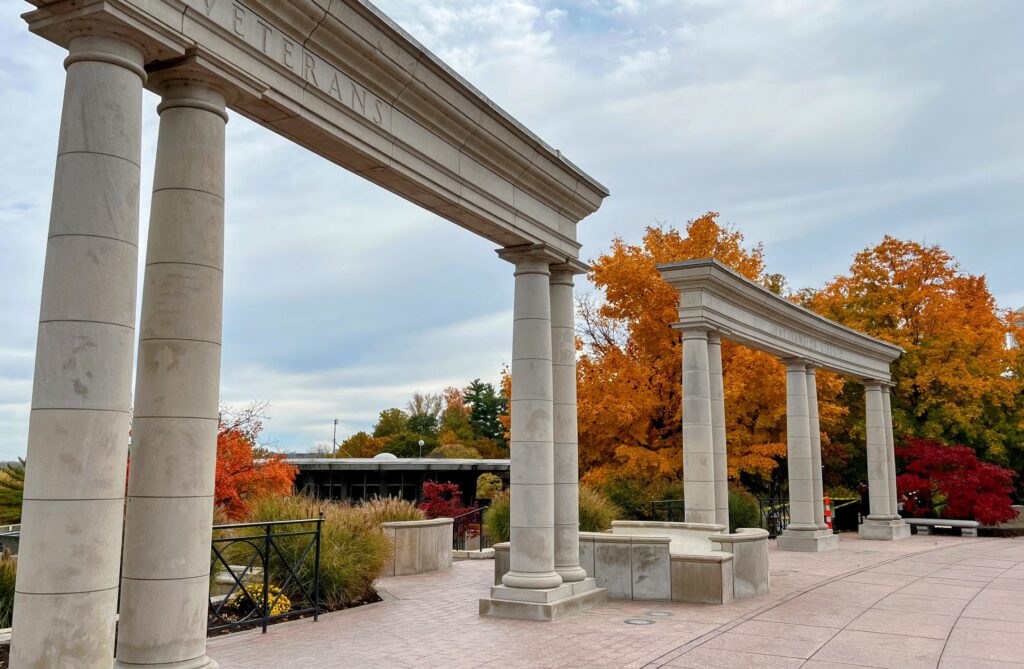
State capitol museums can feel like obligatory stops rather than real destinations. This one breaks that pattern with some authority.
The Missouri State Museum at 201 W Capitol Ave, Jefferson City, MO 65101 sits inside the capitol building itself, which adds a layer of architectural drama that most standalone museums cannot match.
The building dates to 1917, and the murals, rotunda, and decorated chambers create a setting that enriches every exhibit around them. The museum covers Missouri’s natural history, cultural development, and political story in galleries that move between themes without losing coherence.
Military history, Native American culture, and the state’s industrial past each receive dedicated space and careful attention. Entry is free, which encourages the kind of relaxed, unhurried visit this place genuinely rewards.
Because it shares a building with an active government institution, the atmosphere feels different from a conventional museum.
There is a low hum of civic life around the edges of the experience. That context actually adds something. You leave with a clearer sense of how the state’s past connects to its present, which is exactly what a good state museum should accomplish.
7. Springfield Art Museum
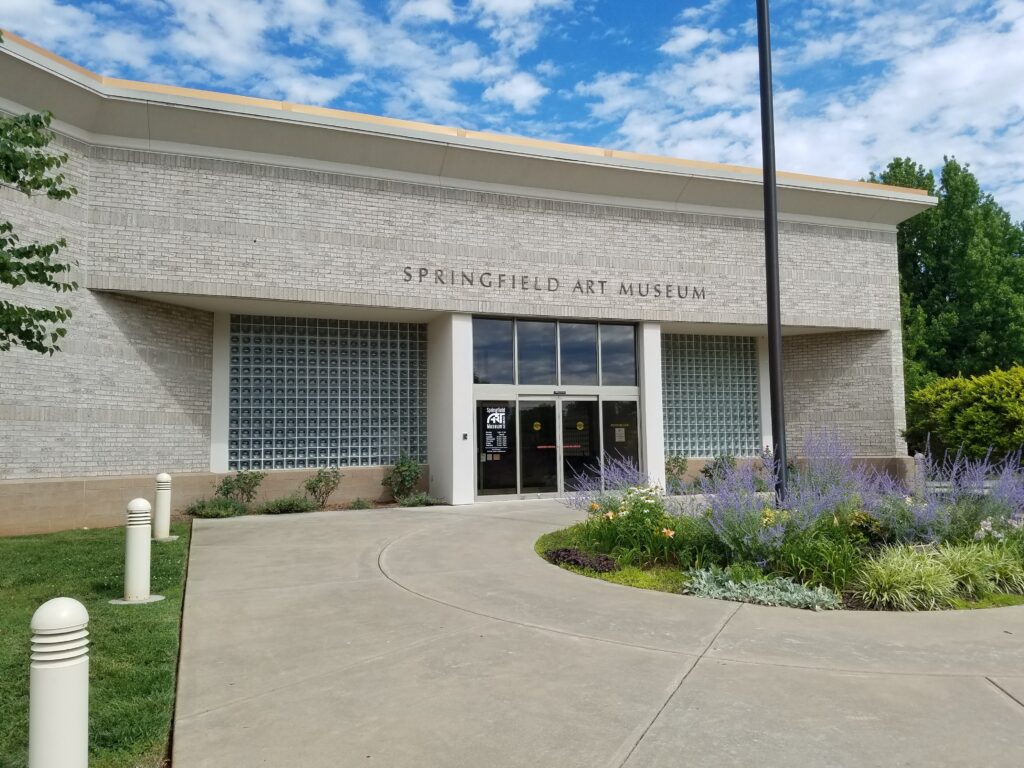
Not every great museum lives in a major city. Springfield proves that point quietly and with real confidence.
The Springfield Art Museum at 1111 E Brookside Dr, Springfield, MO 65807 offers free general admission and a permanent collection that feels far more substantial than you might expect from a regional institution.
Founded in 1928, it holds one of the oldest public art collections in the state. American paintings and prints form the core of the collection, with waterworks, decorative arts, and photography rounding things out considerably.
The building sits on a pleasant piece of land and feels welcoming from the moment you arrive. Natural light moves through the galleries well, and the scale stays human throughout.
Nothing overwhelms. Rotating exhibitions bring fresh work throughout the year, which gives repeat visitors a reason to return beyond the permanent collection.
The museum hosts educational programs and community events regularly, which keeps it genuinely connected to the city around it rather than floating above it. It is the kind of place that earns a second visit before you have even finished the first.
8. George Washington Carver National Monument
©George Washington Carver National Monument
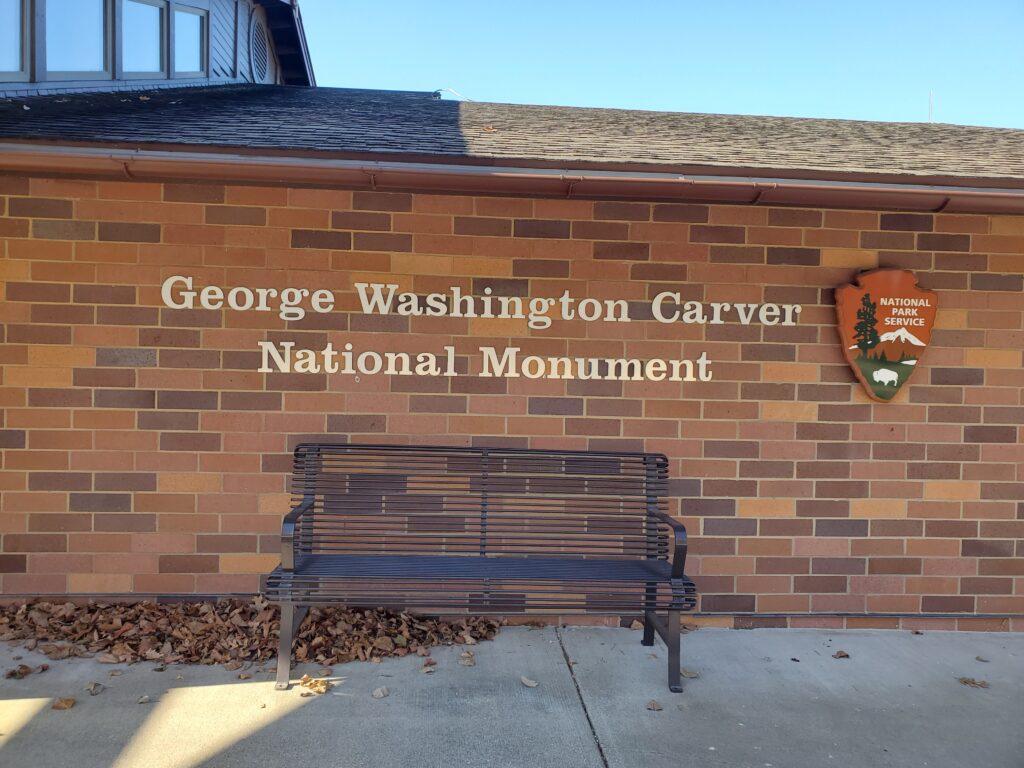
This one carries a different kind of weight than a traditional museum. The George Washington Carver National Monument in Diamond, MO 64840, located at 5646 Carver Rd, preserves the birthplace and early environment of one of America’s most important scientists, educators, and agricultural innovators.
The grounds include trails through the landscape where Carver spent his early childhood, a reconstructed cabin, a museum, and a statue created in 1960. The museum covers Carver’s life, his groundbreaking research into peanuts, sweet potatoes, and other crops, and his long career at Tuskegee Institute.
What sets this site apart is the combination of indoor and outdoor experience. Walking the trails, you get a physical sense of the land that shaped him. The prairie restoration effort underway on the grounds adds a living dimension to the visit.
Rangers are present and knowledgeable, which makes a meaningful difference in how much you take away. This is a National Park Service site, and the care and detail in its presentation reflects that. This visit stays with you in a way that a purely indoor museum experience often does not manage.
9. Griot Museum Of Black History
©Griot Museum Of Black History
Some museums exist because history insisted on it. The Griot Museum of Black History at 2505 St. Louis Ave, St. Louis, MO 63106 centers African American history, culture, and achievement with clarity, purpose, and an unapologetic directness that leaves a lasting impression.
The word “griot” refers to a West African storyteller and keeper of oral tradition, and the name fits the institution’s mission precisely. Exhibits cover the African American experience in Missouri and beyond, tracing community, culture, and achievement through the Civil Rights Movement and into the present.
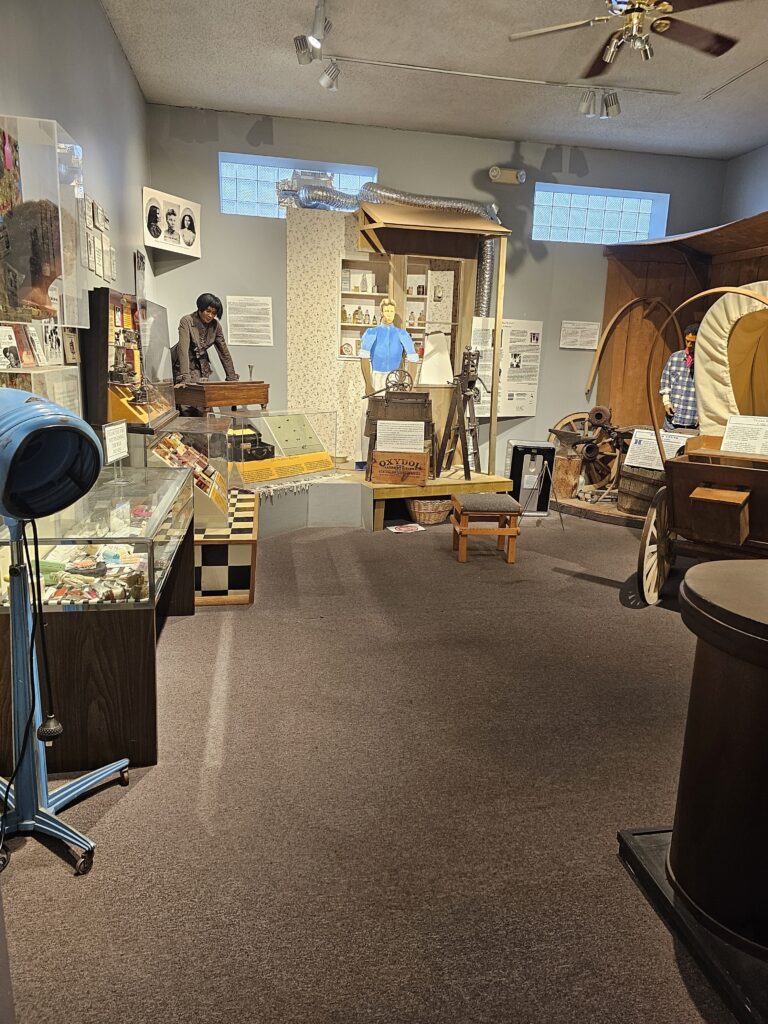
Wax figures, artifacts, photographs, and multimedia elements combine to create a layered, immersive environment. The museum does not smooth over difficult history or reduce complex events to simple narratives.
It presents what happened with dignity and specificity, which is harder to achieve than it sounds. The building is modest in size, which means every square foot carries purpose. Visits here tend to be quieter and more reflective than at larger institutions.
That atmosphere is part of what makes it powerful. This is essential context for understanding St. Louis, and by extension, a great deal of American history.
10. Pulitzer Arts Foundation
Architecture and art rarely share billing equally without one suffering. At the Pulitzer Arts Foundation, they manage it. Located at 3716 Washington Blvd, St. Louis, MO 63108, the building was designed by Tadao Ando, one of the most respected architects of the past half century.
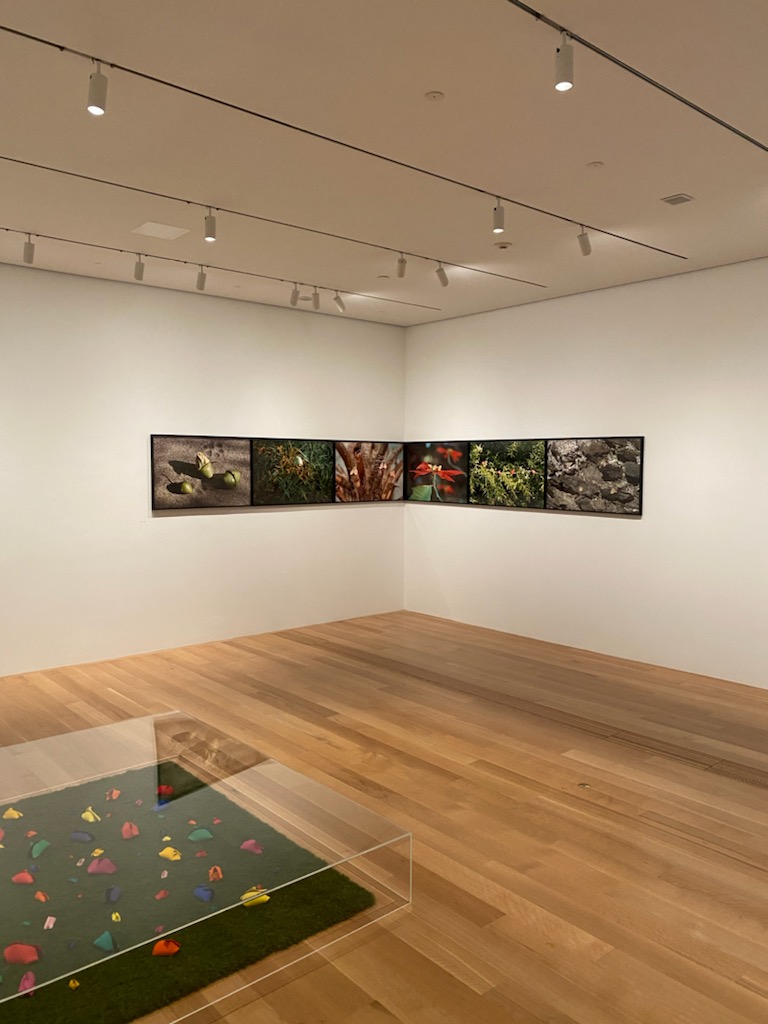
The structure is spare, concrete, and precise, with water features and carefully controlled natural light that change the experience depending on the time of day you visit. The art inside tends toward the serious and the challenging, drawn from the foundation’s significant collection and supplemented by major loans.
Exhibitions rotate, and each is curated with a level of attention that matches the building’s standards. This is not a casual drop-in spot. It rewards visitors who come ready to look carefully and sit with what they are seeing rather than moving quickly from piece to piece.
Free admission lowers the barrier to entry, which feels important given the seriousness of the experience. The Pulitzer occupies a neighborhood in transition, and its presence on Washington Blvd has been part of broader cultural investment in the area. Plan your visit deliberately, and it will repay that effort generously.
11. Branson Centennial Museum
Branson draws millions of visitors every year for its theaters, entertainment strips, and lakeside recreation. Most of them skip this one entirely. That is a mistake worth correcting.
The Branson Centennial Museum at 120 S. Commercial Street, Branson, MO 65616 tells the story of how a quiet Ozark town became one of the country’s most surprising entertainment destinations.
The museum covers Branson’s history from its origins as a small agricultural and mining community through the arrival of the railroad, the rise of tourism on Table Rock Lake, and the eventual explosion of live entertainment that put the town on the national map.
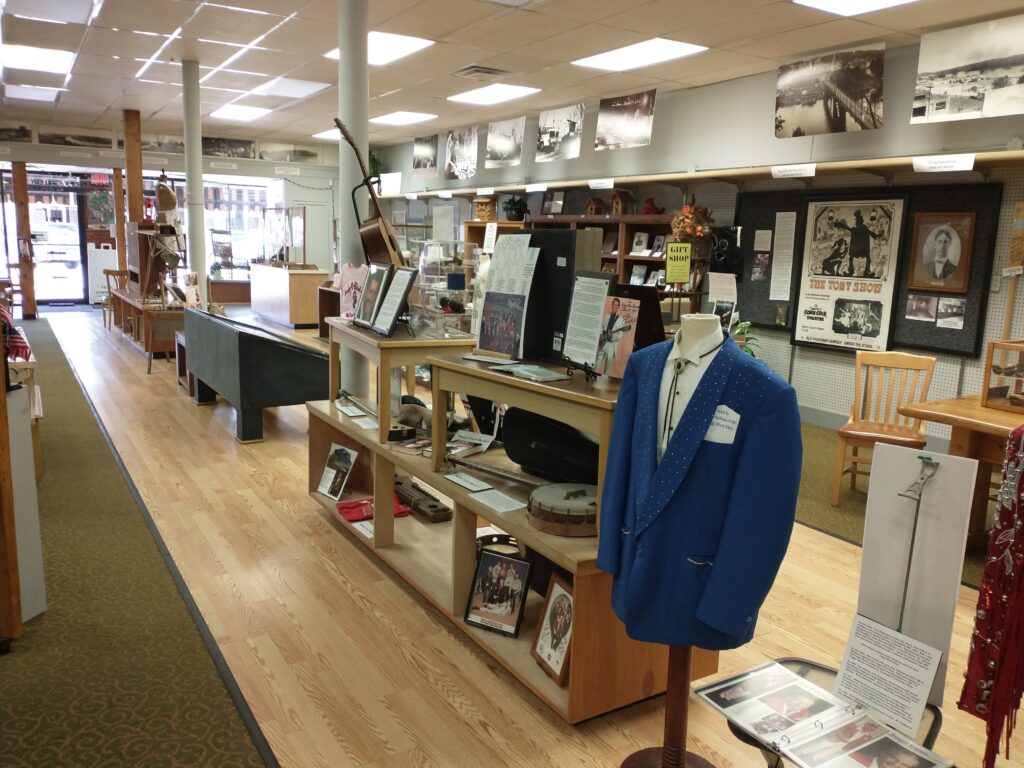
Exhibits use photographs, artifacts, and local memorabilia to trace that evolution with genuine affection and specificity. The scale stays intimate throughout, which is appropriate for a story this local and personal.
Larger museums can afford abstraction; this one benefits from staying close to the ground. Visitors who have spent time in Branson before will find context they did not have.
First-timers will leave with a far better sense of what they are actually visiting and why it matters beyond the shows and the souvenir shops.
12. Harry S. Truman Library And Museum
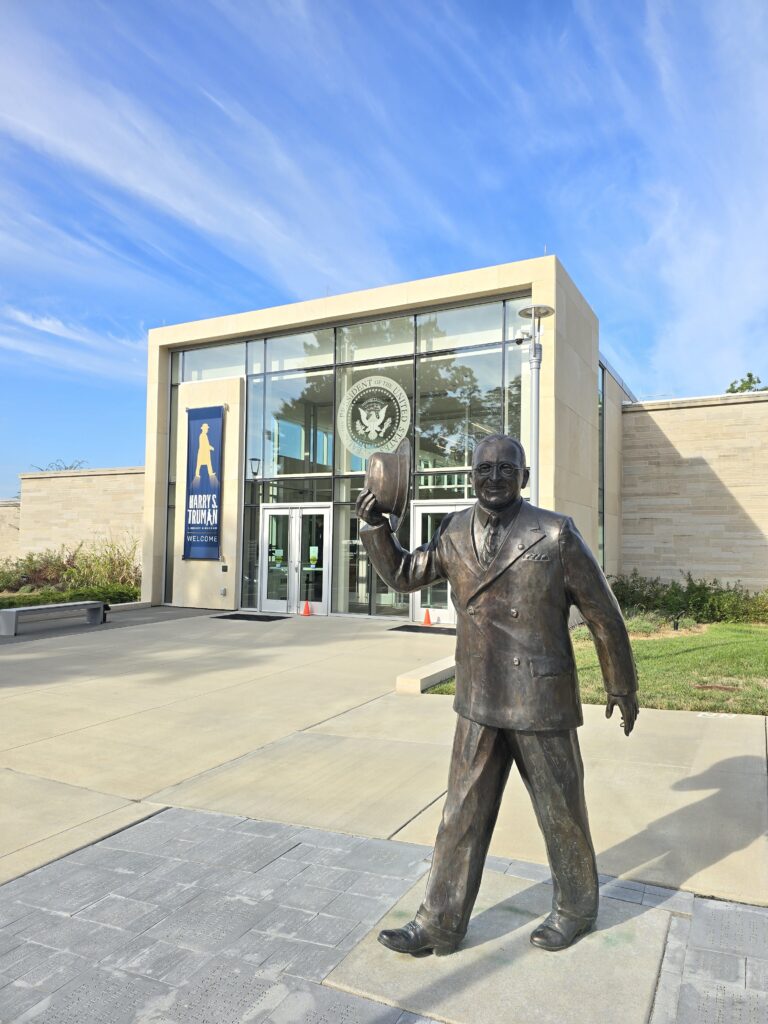
©Harry S. Truman Library And Museum
Presidential libraries vary wildly in quality, candor, and genuine historical value. This one ranks among the very best in the country.
The Harry S. Truman Library and Museum at 500 W US Hwy 24, Independence, MO 64050 covers one of the most consequential and often underestimated presidencies of the twentieth century.
Truman took office after Franklin Roosevelt’s sudden passing in 1945, inheriting a nation in the middle of enormous change. Interactive exhibits, original documents, film footage, and reconstructed spaces combine to create a genuinely immersive experience.
The Oval Office replica alone draws considerable attention. Admission is free for members and children ages 12 and under, while adult tickets are currently listed at $12. Always verify pricing before your visit, as it can change.
The museum treats Truman as a complex human being who made consequential decisions under extraordinary pressure, rather than as a polished monument to himself. That honesty is what makes it work.